Top 10 Spring Break Destinations in Europe
If you are looking for a fun and exciting way to spend your spring break, Europe offers plenty of spring break destinations perfect for a memorable vacation.

Benefits of Europe in the Spring
Whether you prefer a beach vacation, city scape, or the idyllic countryside, there is a lot to see across the pond. Spring (March – April) is a great time to travel to Europe. Europe’s spring break typically happens a few weeks after American spring break, normally around Easter and holy week. Because of that, it can be less crowded than your typical North American spring break destinations and there are always some amazing flight and hotel deals to Europe around the Spring.
You can head to Southern Europe where the weather is starting to warm up in places, or, if you don’t mind the cold, Northern Europe offers some amazing gems this time of year. Here are our top 10 spring break destinations in Europe:
Portugal
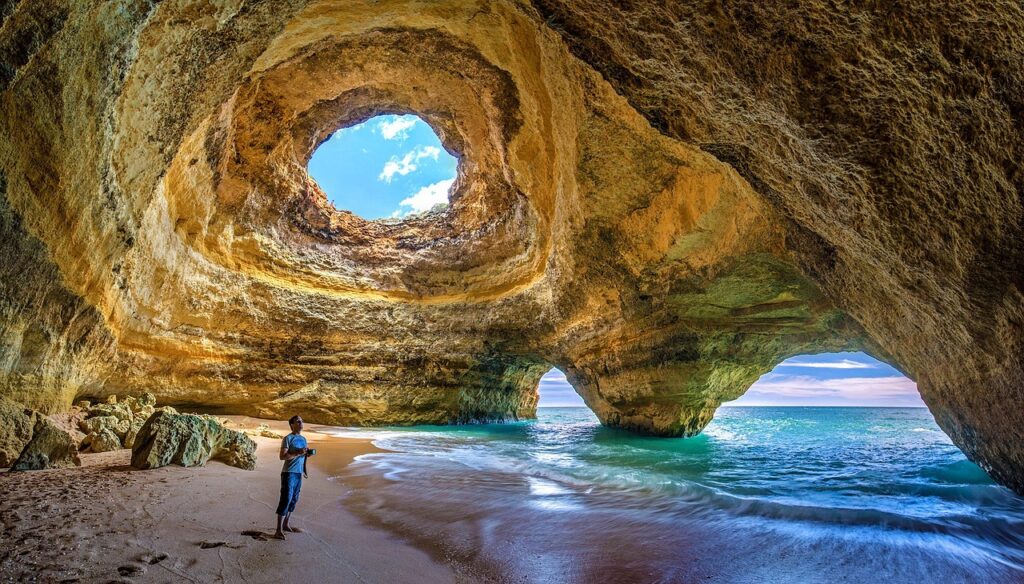
With its warm weather and stunning beaches, Portugal is a great choice for a spring break getaway. explore the Algarve region, visit the vibrant city of Lisbon, or taste the famous port wine in Porto. For a more secluded option, head to the stunning Azores or Madeira islands.
Spain

From the sunny beaches of the Canary Islands to the bustling city of Barcelona, Spain has something for everyone. Attend the Feria de Abril in Seville or party all night in Ibiza. For a more cultural experience, explore the historic Andalucia region. You can learn more about what to see across the 17 Regions of Spain here.
Benelux
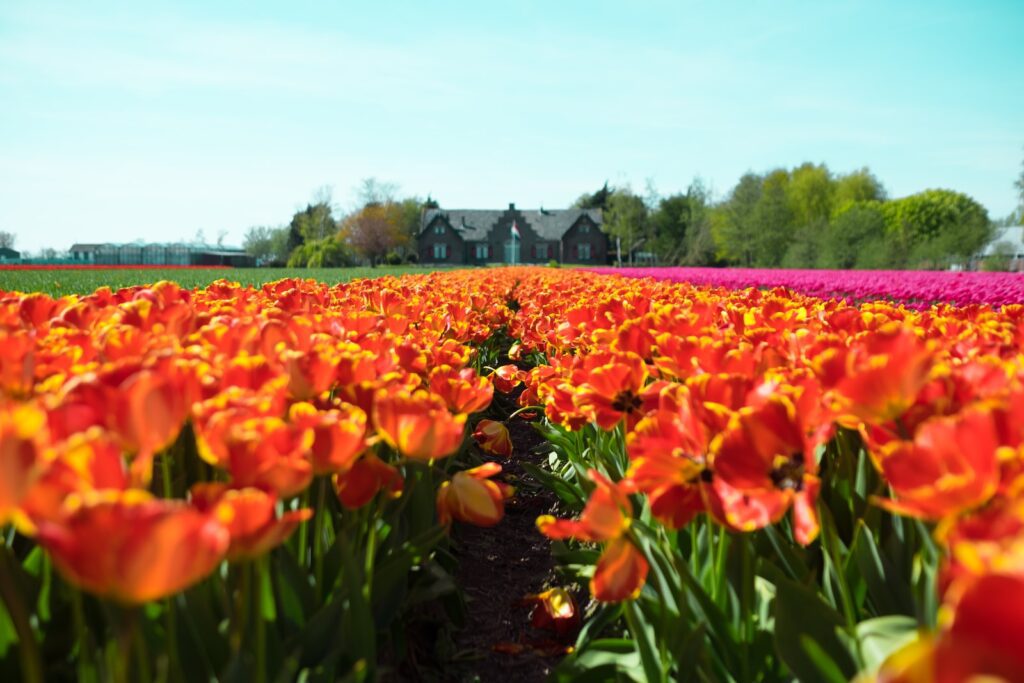
The small countries of Belgium, the Netherlands, and Luxembourg offer a diverse range of attractions, from the stunning tulip fields of Lisse in the Netherlands to the charming medieval town of Bruges in Belgium or the Bluebells of Hallerbos near Brussels.
France

Exploring Paris, the City of Light is always a good idea, and spring is no exception. Visit the iconic Eiffel Tower, explore the world-famous Louvre museum, or stroll down the Champs Elysees. The city of love is ready for you to visit.
United Kingdom
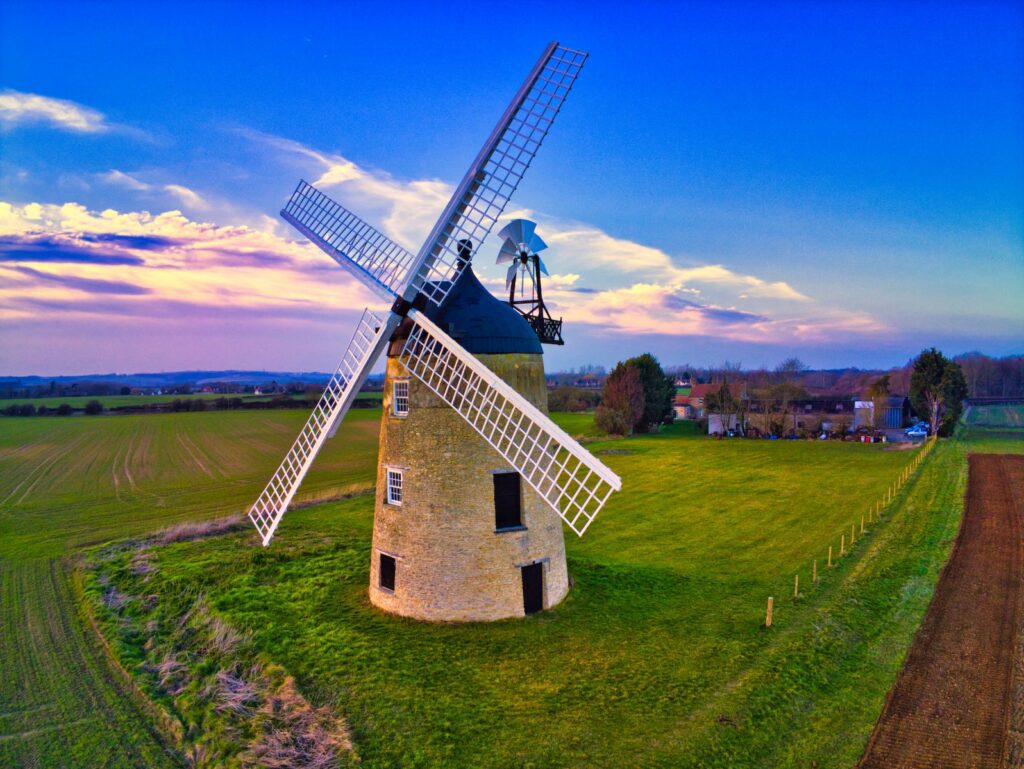
Explore the historic landmarks of London, or head to the southwestern coast of Cornwall for some stunning coastal views. Oxfordshire is also a wonderful place to visit with amazing architecture, beautiful villages, traditional market towns and history.
Italy
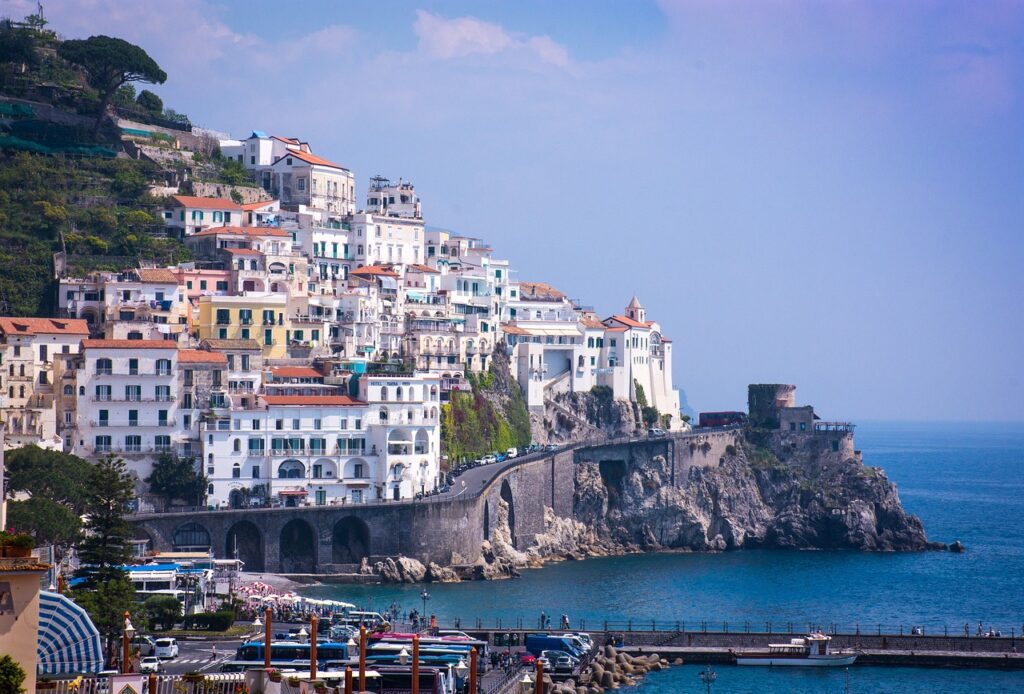
From the canals of Venice to the ancient ruins of Rome, Italy is a must-visit destination any time of year. In the spring, take a trip to the stunning Amalfi Coast or explore the famous wine region of Tuscany.
Vienna & Budapest
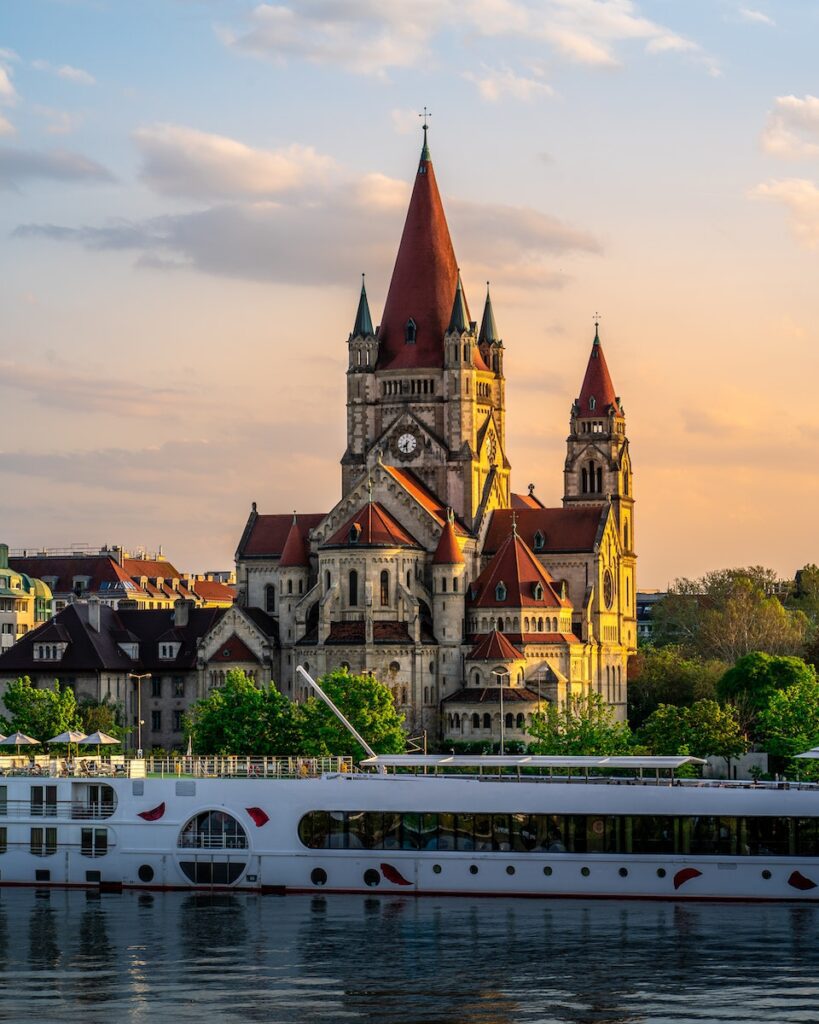
These two beautiful cities are perfect for a spring break trip. Take a stroll along the Danube River, visit the famous Szechenyi Baths in Budapest, or explore the stunning architecture of Vienna.
Iceland

For a really unique spring break experience, head to Iceland to see the famous Northern Lights. You can still catch a glimpse of them until about early April. You can also explore the country’s stunning natural landscapes, including the Blue Lagoon and the Golden Circle. Waterfalls also start to pickup as the ice starts to melt into streams and rivers.
Poland
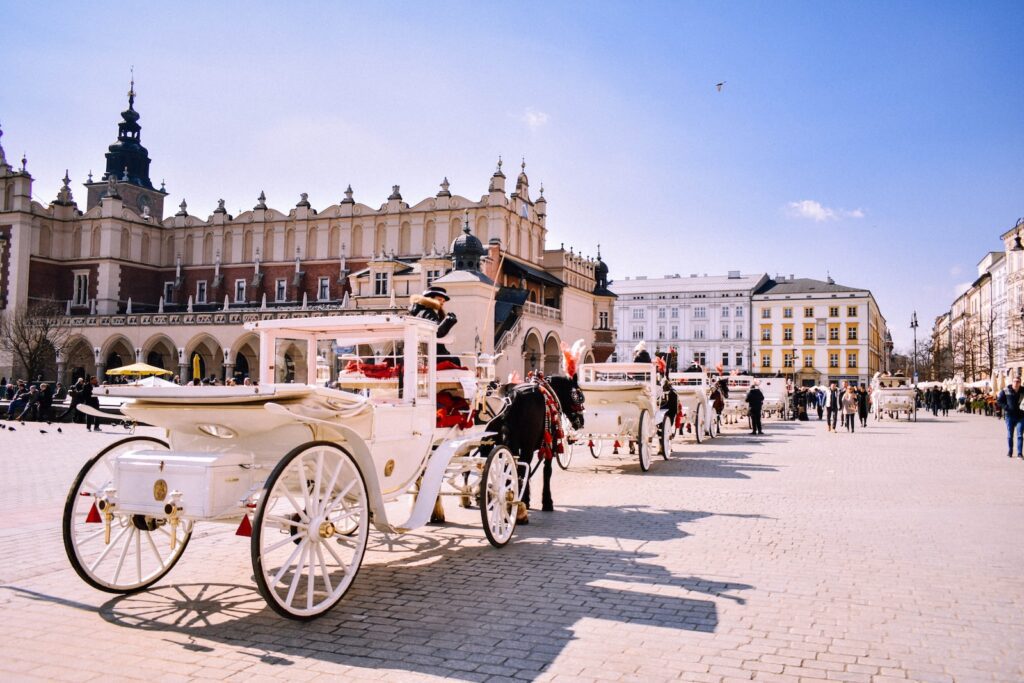
Visit the historic city of Krakow or explore the stunning Tatra Mountains. In the spring, you can also visit the famous Wieliczka Salt Mine, which is known for its stunning underground chambers.
Greece
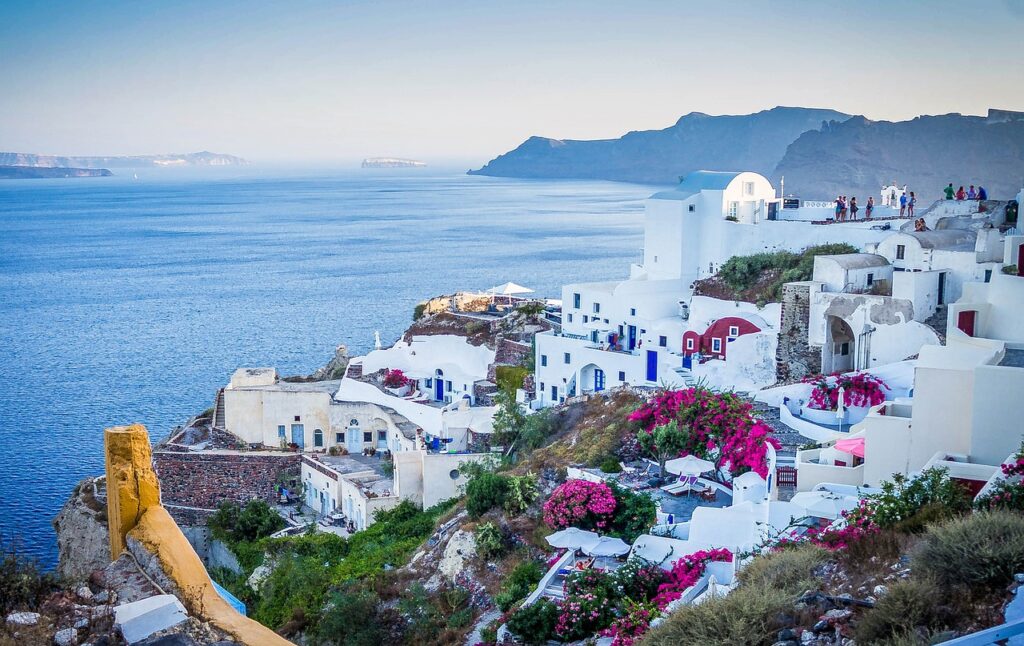
With its stunning beaches and fascinating history, Greece is a great choice for a spring break trip. Explore the stunning island of Crete, visit the famous Acropolis in Athens, or take a trip to the beautiful island of Santorini.
Tips for Planning Your European Spring Break Trip
1. Decide where you want to go and create a budget. Decide where you want to go and create a wish list of things to see and do. We love Lonely Planet guidebooks and Tripadvisor is always a great resource full of reviews. You will need to plan for airfare, lodging, transportation once you get there, sightseeing and entertainment and any other miscellaneous expenses.
2. Determine how long your trip will be and your route. Depending on how long your trip will be, you can then chart a logical geographical order for your route. I love using Google Maps to plan out the places we will see on a trip. Take into consideration how the weather will be while you are there, the geography, and the best times to visit certain spots. Balance stops along your route. Pair big, intense cities with charming small village stops the day after to give yourself some space. For example, pair Paris with the Loire Valley, London with the Cotswold, and Vienna with the Danube River Valley.
3. Decide where you will fly in and out of. If you are planning a multi-location trip, it may make sense to schedule your return flight from a different city than the one you flew into. Price it out to see what makes most sense for your starting and end points. Sometimes it can be more economical to schedule your return flight for a different location than spending needless time returning to your point of origin. If you plan to rent a car, take advantage of picking up and dropping off in different cities.
4. Figure out other transportation. Sometimes renting a car doesn’t make sense. Depending on the size of your group and what you plan to see and do, you may find it easier and more economical to ride the train or use some other form of public transportation. Riding the train may be more economical for a solo travel. If you are traveling with a small group of friends or as a family unit, the flexibility of having a car may make more sense.
5.Plan your itinerary. Write down the number of days you’d like to stay in each place — allow yourself some wiggle room in case you need to adjust or make changes. I recommend minimizing hotel changes to save time and money — and to better get to know the area. Give yourself time to explore. One-night stops can be great but if you are planning a one week trip that likely means staying in 7 different hotels, and constantly being on the go. I recommend staying at least two or more nights in a location to give yourself some time to relax and truly absorb the experience. Don’t try to do everything in one trip. Assume you will return a different time to explore other areas or countries. Also, Take advantage of weekends to stretch your time and minimize lost work days. Websites like Rome2Rio make estimating travel times between places easy.
6. Book experiences and tours in advance. Study your guidebook and get advice from friends or fellow travelers who have been to the place you are going. Make sure the places you want to see are open on the day you plan to be in town. Remember that many restaurants and sights close at least one day per week. Many places now require or highly advise reservations in advance. You can book tours and reservations on their specific websites or shop deals on GetYourGuide.com. Note that if you’re flying from the United States to Europe you’ll generally arrive the day after you fly out.
7. Organize and share your itinerary. Whether you plan to travel with friends, meet up with others along the way, let family members know where you’ll be, or just store all your travel details in one place, make an itinerary (I love Notion for this) so that you can easily share your plans. Tools like TripIt can also help. The app can use your confirmation emails to create an itinerary with maps, directions, and recommendations along the way that you can access and share from your smartphone.
Trip planning is always worth the effort. It can help you anticipate obstacles, make sure you stay within your budget and helps to know your options if you need to make a last minute change. No matter where you go, Europe has plenty of options for a memorable spring break trip. So pack your bags and get ready for an adventure you’ll never forget!
